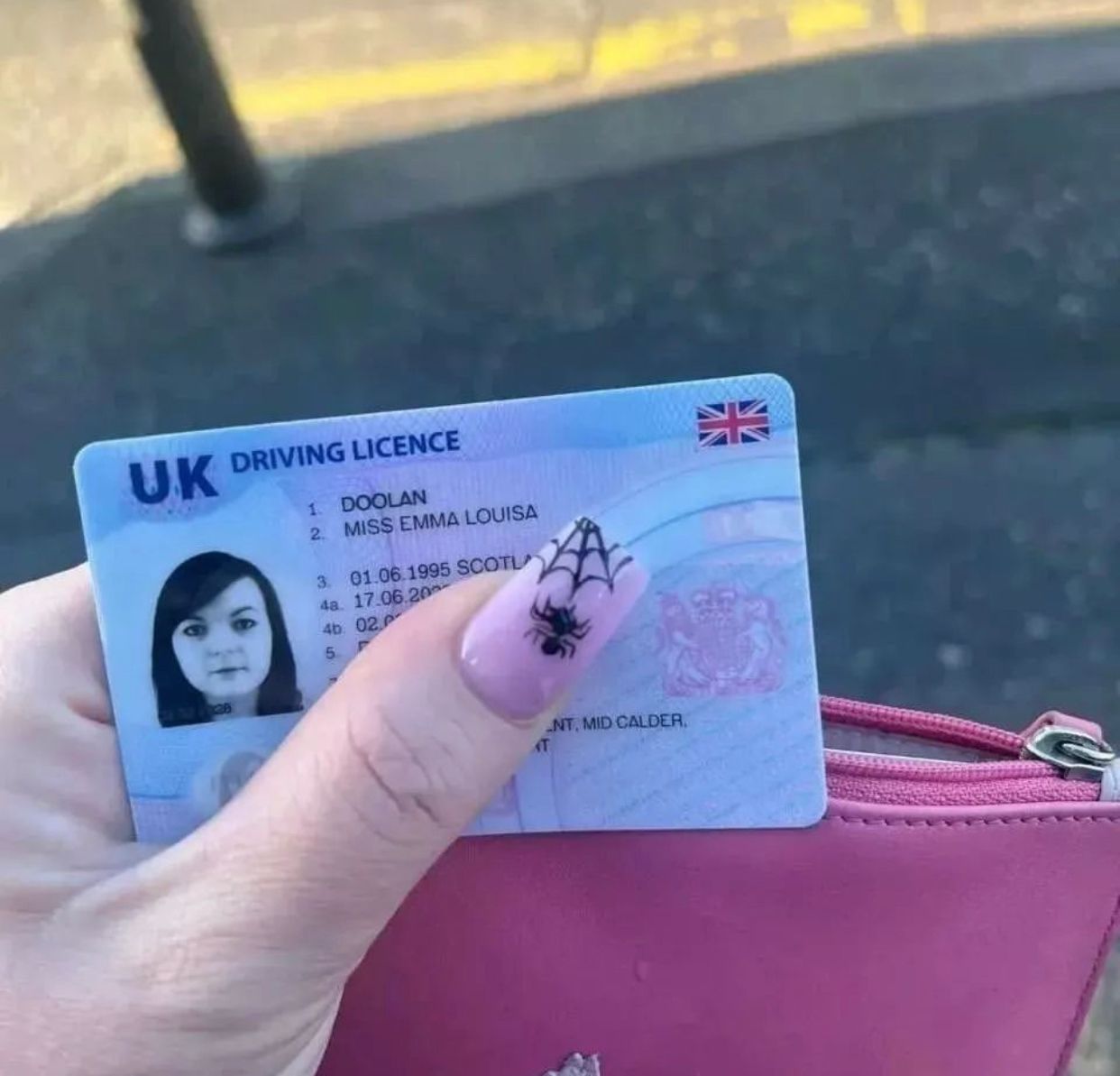
Understanding the UK Driving License: A Comprehensive Guide
The UK driving license is an essential file that gives people the legal right to run motor automobiles on public roadways. Whether you're a brand-new driver, a foreign nationwide preparation to drive in the UK, or a long-time resident considering a license upgrade, it's vital to comprehend the requirements and processes included. This blog site post aims to provide an extensive overview of the UK driving license system, including kinds of licenses, the application procedure, and important guidelines and regulations.
Types of Driving Licenses in the UK
There are several categories of driving licenses in the UK, each associating with different types of vehicles. The following table details the numerous classifications and what they allow:
| License Category | Car Type | Age Requirement | Description |
|---|---|---|---|
| Classification AM | Mopeds | 16+ | Allows the holder to drive mopeds and light quad bikes. |
| Category A1 | Bikes (up to 125cc) | 17+ | For riders of little motorbikes and scooters. |
| Classification A2 | Motorbikes (up to 400cc) | 19+ | For intermediate motorcycle riders. |
| Category A | All Motorcycles | 24 or 21+ (depending upon experience) | Full bike license. |
| Classification B | Cars and trucks | 17+ | The standard license for driving cars, consisting of light vans. |
| Classification C | Big Goods Vehicles | 18+ | For driving cars over 3.5 tonnes. |
| Classification D | Buses | 24+ | For driving passenger-carrying cars. |
| Classification E | Trailers | 17+ | For driving automobiles with trailers (may require extra tests). |
How to Apply for a UK Driving License
Acquiring a UK driving license involves numerous steps, which can be broken down into the following phases:
- Apply for a Provisional License: Before finding out to drive, you must look for a provisionary license, which allows you to practice driving under guidance. People can use online through the main DVLA website or by means of paper forms readily available at Post Offices.
- Prepare for and Take the Theory Test: The theory test comprises 2 parts: a multiple-choice section and a risk perception area. Prospects should pass both parts to continue to the practical driving test.
- Lessons and Practice: It's recommended to take lessons with an approved driving trainer to guarantee you are sufficiently prepared for the practical test. In the UK, the typical learner needs roughly 45 hours of instructor-led education.
- Reserve and Pass the Practical Driving Test: Once you feel great in your driving abilities, you can reserve your dry run. The driving test evaluates your ability to run a lorry safely and effectively.
- Receive Your Full License: After passing the practical test, the examiner will provide a pass certificate, which permits you to request your full driving license. The DVLA will send you your new license by post.
Key Considerations When Applying
- Age Requirements: Ensure that you fulfill the minimum age requirement for the type of automobile you wish to drive.
- Paperwork Needed: You will need to supply evidence of identity, a passport-sized picture, and your National Insurance number.
- Charges: There are charges related to each stage of the application process, consisting of the cost of the provisional license, theory test, and useful test.
Important Rules and Regulations
Driving in the UK features responsibilities. Here are some essential rules that all drivers need to follow:
- Seat Belts: It is a legal requirement for drivers and all passengers to use safety belt.
- Speed Limits: Familiarize yourself with speed limitations; they vary by roadway type and lorry class (e.g., 30 miles per hour in built-up locations, 60 mph on single carriageways, and 70 miles per hour on motorways).
- Drink Driving: The legal alcohol limit is 0.08% blood alcohol concentration, but for newbies and professional drivers, it's 0.00%.
- Mobile Phone Use: Using a smart phone while driving is illegal unless it is hands-free. Offenders can face large fines and points on their license.
Regularly Asked Questions (FAQs)
1. Can I drive in the UK with a foreign license?Yes, foreign nationals can drive in the UK on a valid foreign driving license for up to 12 months. After this period, they must obtain a UK license.
2. How long does it require to get a driving license in the UK?The time frame for getting a driving license can differ widely depending upon individual preparedness, availability for tests, and trainer schedules however generally can take around 6 months to a year.
3. Can I take the driving test in my own cars and truck?Yes, you can utilize your own lorry for the practical driving test, supplied it meets particular security criteria and is guaranteed for driving.
4. What should I do if I lose my driving license?If you've lost your driving license, you need to get a replacement through the DVLA. This process can be finished online to expedite the issuance of a brand-new license.
5. How can I inspect my driving license status?You can inspect your driving license status, including points and endorsements, by visiting the DVLA site and using your driving license number.
Comprehending the UK driving license system is fundamental for anybody wanting to drive lawfully in the nation. Whether making an application for a provisional license, taking lessons, or understanding guidelines, being well-informed can result in a better driving experience. Keep in mind to stay upgraded on any changes in driving laws and ensure you maintain your driving skills for safety on the roadways.
With this guide, potential drivers can navigate the complexities of obtaining a UK driving license with confidence and clarity. Drive securely!